Korea. 1994. Camp Humphreys.
I was 19 years old, a Private First Class, a few months into my first assignment overseas. Green. Raw. New to all of it.
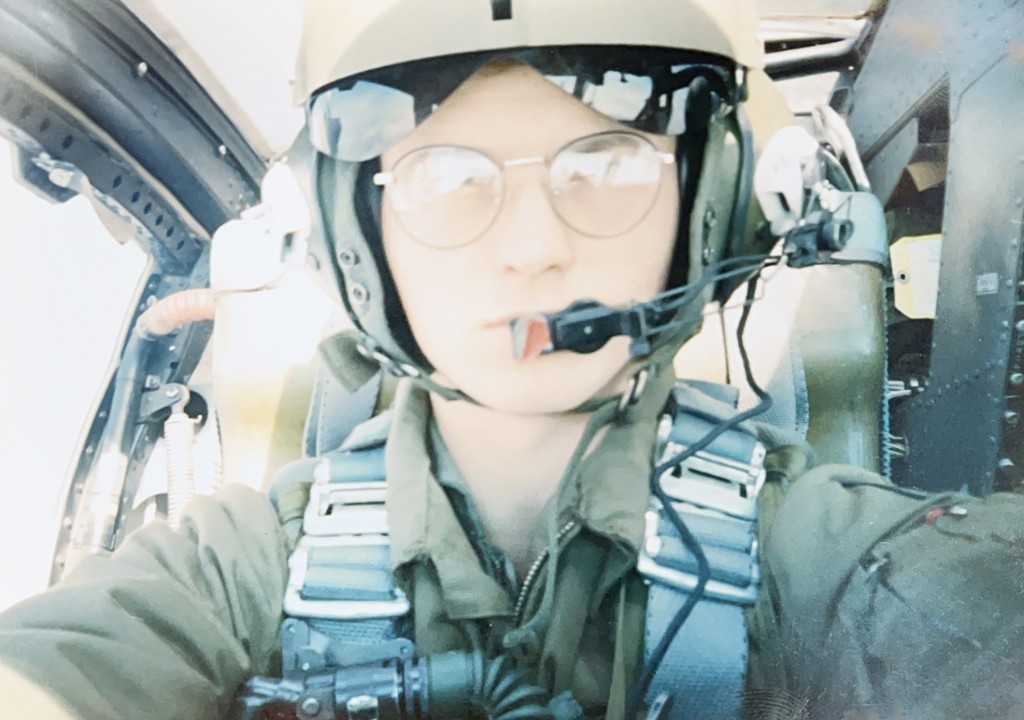
I worked on the side-looking radar on an old twin-engine turboprop, a two-seat Mohawk built in the 1950s for close air support and converted into an intelligence-gathering aircraft. Forward-looking cameras. Infrared. A system that intercepted radio signals. And the radar that mapped moving targets. Legacy technology, even then.

Every night we flew two aircraft along the demilitarized zone. It was a real mission, in a place where the mission was still active. Every morning our job was to find out what broke and have the aircraft ready for the next night.
What was I like back then?
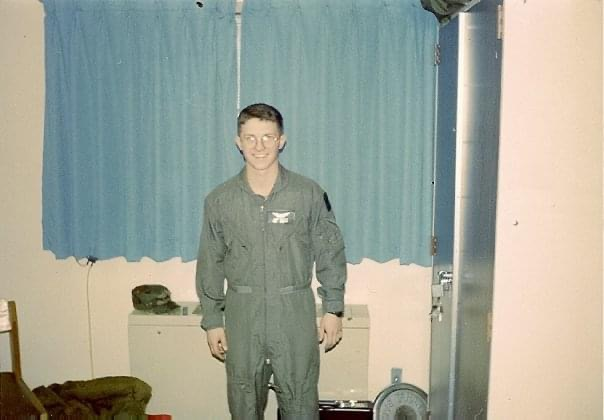
I was working hard. I asked questions.
Some of my peers called me the golden boy. A favorite of one of our section sergeants. I wasn’t doing anything special. I did my job, I learned, and I never said no.
His name was Sergeant Adams.
He was in his early 30s. A guy from Missouri who tried a bunch of different jobs before he joined the Army at 27. That made him old for his rank. Well respected. A very hard worker. Salt of the earth.
He saw potential in me. I could feel it.
What happened that morning?
Our barracks were nowhere near the shop. We rode a bus to the flight line every day. Be in the shop by 7:30 on a normal day, which meant catching the 7:00 bus.
That morning I was up early. I ate breakfast at the chow hall and took the 6:30 bus instead.
I got to the shop with plenty of time.
The first thing we did every day was read the logbooks from the night’s missions. They told you what broke on the aircraft. You planned your maintenance day from them. You got a head start on the equipment that had to be fixed before that night’s flight.
I didn’t do that.
I picked up the morning edition of the Stars and Stripes, the only English newspaper we had. I sat down in one of the chairs in the shop, put my feet up on the desk, and started reading.
Time went by. People started coming in.
What did Sergeant Adams say?
Around 7:10 he walked in. I think he caught a ride with one of the NCOs who had a car. Only sergeants E6 and above could have one.
He saw me. A Private First Class with his feet on the desk and a newspaper in his hands.
“Hey, McCarthy. What do the logbooks say?”
He assumed I’d already read them. I should have.
“Morning, Sergeant Adams. I haven’t checked them yet. I’ll go check them now.”
“No. Don’t worry about it. I’ve got it.”
I should have known right there that something was wrong. I didn’t. I said, “Oh, cool, thanks, Sergeant Adams.”
He read the logbooks himself.
What does it mean when a leader stops giving you work?
By then everyone was in. Six or seven technicians. Most of them were older than me, more experienced, on their second or third assignment. A couple of the corporals were on their second tour at that same shop.
Sergeant Adams started handing out work. You go look at this aircraft. You two take that one. Depending on the job, you got paired up, because some problems needed a second set of hands and a deeper troubleshoot.
Everyone got a job.
Not me.
That never happened. For a month, I had been one of the first people he called. Now he went through the whole room, and I was still standing there.
“Hey, McCarthy. Come with me.”
What was the job?
Behind the hangar there was a loading dock. A dozen or so tractor-trailers were backed up against it, mobile electronic repair shops we called 189 vans. Other shops worked out of them too, including the avionics guys.
Over every bay was an outdoor light ballast. Old fixtures on an old facility in the middle of Korea. Years of built-up dust, cobwebs, and grime. Nobody had touched them in a long time.
“Look up there,” Sergeant Adams said. “You only have one job today. You can leave when it’s done. Take all of those down, clean them, and paint them white.”
He had already found the paint. He got it from our supply sergeant, a friend of his.
I looked up at the ballasts, and I knew.
He never told me what I did wrong. He didn’t need to. I knew I’d screwed up.
Did I complain?
No.
I didn’t bitch. I didn’t whine. I got the ladders out, shut off the breakers, took the fixtures apart, cleaned every piece, painted them, and hung them back up. It was the nastiest job I’d ever had.
I didn’t get back to my room until midnight, maybe later.
Here is what I want you to hear. Sergeant Adams checked on me through the day. He made sure I went to chow. He made sure I had water and stayed hydrated. He did everything a good leader does to take care of his soldier.
And he never let me off the hook.
I asked clarifying questions. That’s all. I didn’t ask for a break. I didn’t ask to get something to eat. I wanted the job done, because I had upset a man who believed in me. I knew he trusted me, and he expected better.
It was also a test. Would I take it? Did I deserve to be seen the way he saw me?
What was the punishment really for?
It wasn’t the newspaper. I was early. I broke no rule.
He punished the gap between what he knew I could do and what I gave him when nobody was making me.
A leader doesn’t give you the worst job in the building when he’s given up on you. He gives it to you because he hasn’t.
What happened years later?
I was interviewing for a job. The process required a reference from every job I’d held since high school. A peer, a subordinate, and a supervisor. Honestly, it was one of the most ridiculous processes I’ve ever been through.
For my time in Korea, I picked Sergeant Adams.
We had been stationed together again in Arizona, but I hadn’t talked to him in a long time. He didn’t need any warm-up. I asked if he’d be my reference. “Sure.”
Then I told him this story.
He didn’t remember it. Not one bit.
He was just doing his job. He was leading. He was finding out whether I had it in me, and I felt it, and I didn’t want to let him down.
I told him that morning stayed with me. I thanked him for holding me accountable.
He never remembered. It changed my life anyway.
What did I take from it?
Potential is a standard, not a compliment. Someone holds it for you whether or not you hold it yourself.
Quiet is information. When someone you trust stops correcting you and starts working around you, pay attention.
Accountability and care belong in the same day. He made me do the work and made sure I ate. Those are not opposites.
Thank you, Sergeant Adams.